


Which Accounts Should You Secure First with MFA?
Multi-Factor Authentication (MFA) is one of the simplest ways to protect your online accounts. It adds an extra layer of security, making it much harder for hackers to access your information—even if they steal your password.
But with so many accounts, where should you start? Let’s focus on the top three accounts you should secure first to protect your most valuable data.
1. Your Email
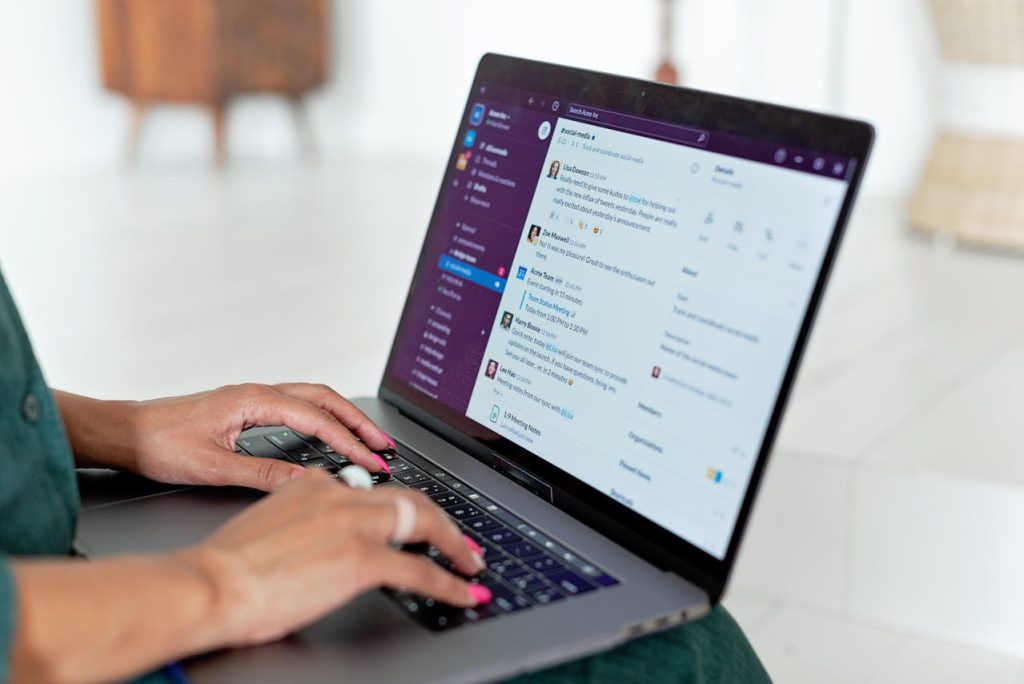
Your email account is the key to your online world. It’s used for password resets and account recovery for most of your other accounts. If someone gains access to your email, they could unlock just about everything.
By enabling MFA, you add a vital layer of security. Even if a hacker guesses or steals your password, they’ll need that extra verification step—like a code sent to your phone or email—to get in.
2. Banking and Financial Accounts
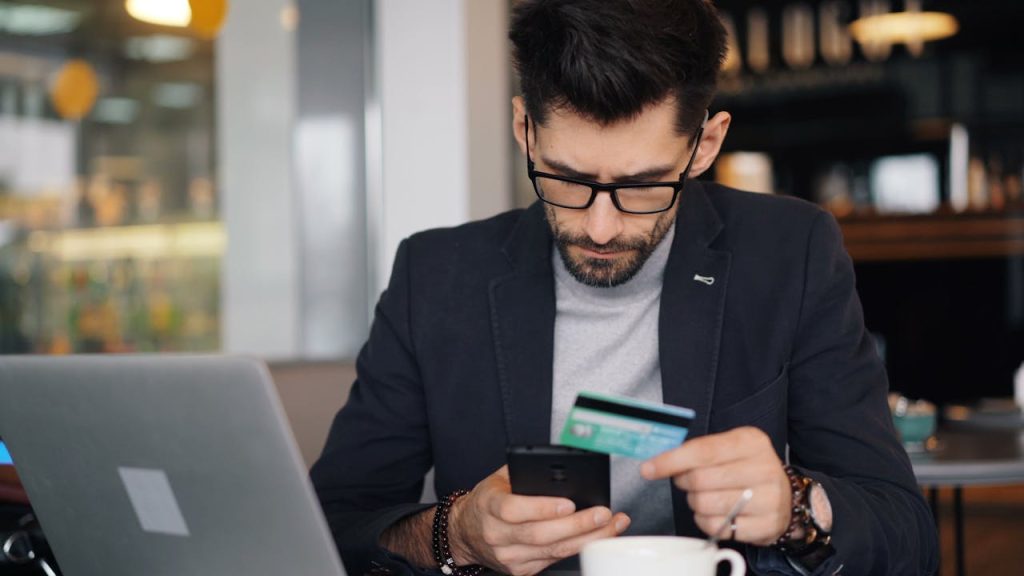
Your bank and payment accounts (like PayPal or any credit card apps) are a treasure trove for cybercriminals. Securing these accounts should be a top priority to protect your money and financial data.
Most banks and financial services offer MFA, so take a few minutes to activate it. It’s a small effort that could save you a lot of stress and financial loss.
3. Social Media Accounts
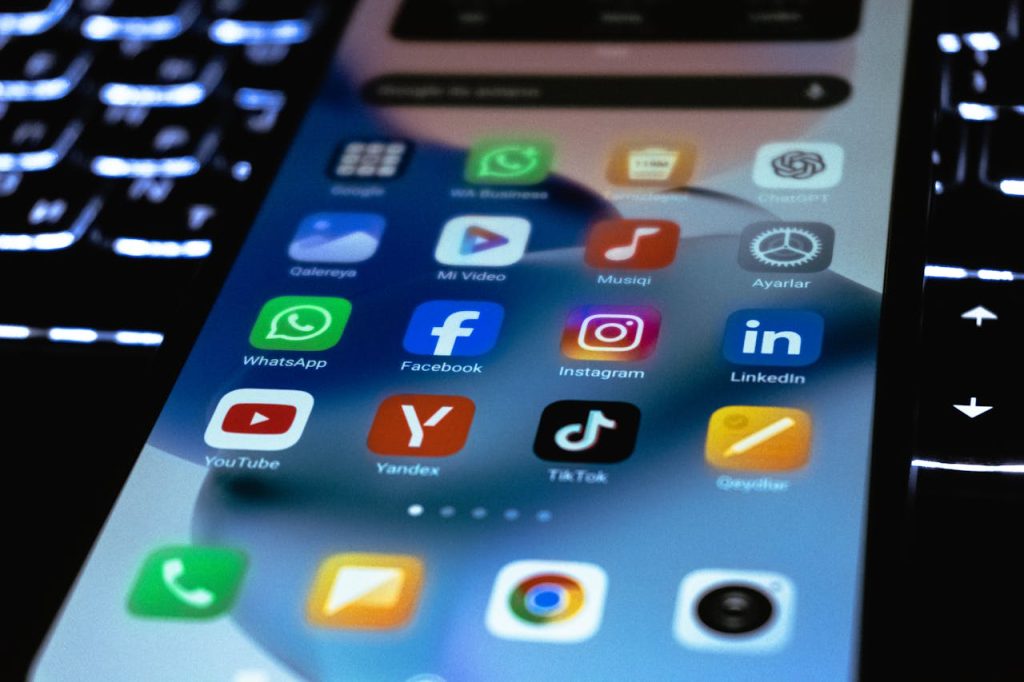
Hackers love social media accounts because they can use them to spread scams, impersonate you, or even damage your reputation. Protecting platforms like Facebook, Instagram, and Twitter with MFA ensures that your personal life—and your online identity—stay safe.
Most social media sites make enabling MFA quick and easy. Once it’s set up, you’ll feel much more confident knowing your accounts are secure.
The Bottom Line
Securing your email, financial accounts, and social media with MFA is the best way to protect your most important digital assets. Start with these three, and you’ll instantly strengthen your online security.
It only takes a few minutes to enable MFA, and the peace of mind it brings is well worth it. Don’t wait—boost your security today.